Sustainability is often thought of as something big, complex, and out of reach but in reality, it starts with the smallest decisions we make every day.
From how we clean our homes to what we choose to throw away or reuse, these everyday actions quietly shape our environmental footprint. The truth is, you don’t need a complete lifestyle overhaul to make a difference. You just need a few better habits.
At Grounded, this means simple, responsible choices that are clean for your home and kinder to the planet. But beyond the name, it’s really about something universal: small changes that add up to big impact.
Here are five easy, practical ways you can be greener this month:
1. Switch to Eco-Friendly cleaning with sustainable Kenyan brands.
One of the easiest ways to reduce your environmental footprint is by rethinking what you clean your home with. The carbon footprint of a product is not just about what is inside it, it is also about how far it travelled to reach you. Every purchase is a vote for the kind of future we want to build.
Many conventional cleaning products contain harsh chemicals that can end up in waterways and affect soil and ecosystems over time. A simple switch to biodegradable, plant-based cleaning products makes a big difference.
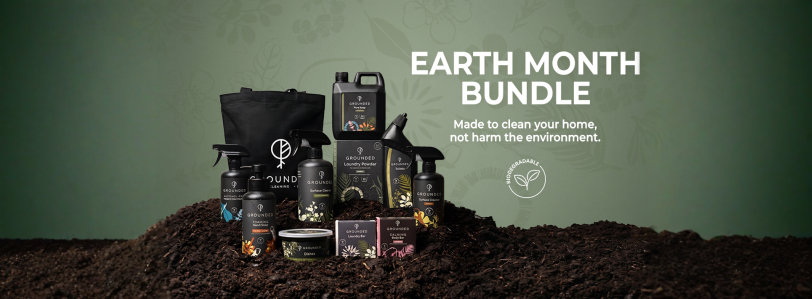
In Kenya, more households are now moving towards eco-friendly cleaning products that are safer for both families and the environment. Grounded’s range of biodegradable soaps and cleaners is designed with this in mind helping you clean effectively without leaving harmful residues behind. It’s part of the Eco-Safi promise: clean homes without compromising the planet.
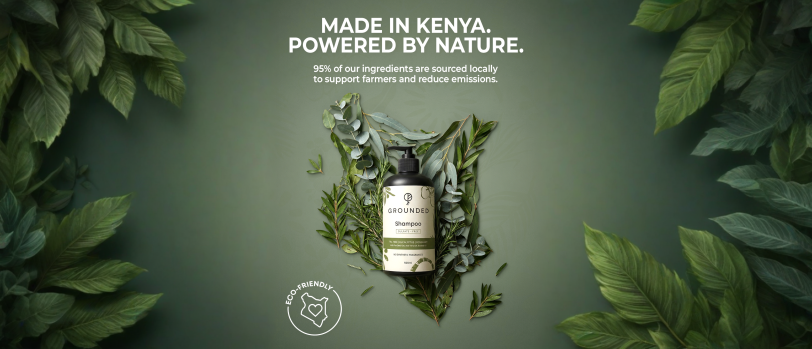
At Grounded, sustainability is built into every stage, from sourcing 95% of their ingredients from Kenyan farmers to biodegradable formulations, to recycled packaging materials designed to reduce environmental impact.
Choosing brands like these helps strengthen a movement toward more responsible production in Kenya’s consumer goods industry. This is what Buy Kenya, Build Kenya actually looks like in practice.
2. Choose refill cleaning products instead of single-use packaging
Plastic waste remains one of the biggest environmental challenges in Kenya and across urban households. A powerful way to reduce this is by choosing refill cleaning products instead of buying new bottles every time.
Refilling:
- Reduces plastic waste
- Lowers household costs over time
- Encourages reuse of existing packaging
At Grounded we support refill culture through systems designed to help customers reuse bottles and reduce unnecessary packaging waste. It’s a small habit that creates a long-term environmental shift.
You can refill our bestselling products at:
- Lang’ata Link, Langata, Nairobi
- ECANDI Eco Shop, Rosslyn, Nairobi
- Shamba Cafe, Loresho
- Revitabliss, Kilifi
You can also order refills directly through our website, where we offer up to 25-litre bulk sizes and we take back empty packaging for reuse or recycling.

3. Buy less, but choose better quality products
Sustainability is not only about what you switch to but also about what you choose to buy in the first place.
Instead of constantly replacing low-quality items, focus on long-lasting, responsibly made products.
For home care, this might mean choosing:
- Concentrated cleaners that last longer
- Multi-purpose products that reduce clutter and save money – hello Pure Soap!
- Locally made goods that reduce transport emissions
A little goes a long way: our laundry powder delivers 66 washes from a single 2kg pack, compared to just 24 washes from many conventional equivalents of the same size. Our foaming hand wash lasts four times longer than standard gel. When you work out the cost per use, Grounded products are often cheaper than the mass-market alternatives!
The result is a more intentional way of living: fewer shopping trips, less packaging in your bin, and a home stocked with products that earn their place rather than just filling a shelf. Choosing quality over quantity is not a luxury mindset, it is a sustainable one.
We are not just greener on paper! Grounded’s approach is to create non toxic, effective products that reduce the need for excess consumption, aligning with a more intentional way of living.
4. Reduce single-use plastic in everyday Kenyan homes
From supermarkets to household storage, single-use plastic is still widely used, but it doesn’t have to be your default choice.
Start with easy swaps:
- Carry a reusable shopping bag
- Use refillable containers for soaps and cleaners
- Avoid small sachet packaging where possible
Even one or two changes can significantly reduce the amount of plastic your household generates each month. It is all about making practical, realistic swaps that fit into everyday Kenyan life, not idealised perfection.

5. Compost Your Kitchen Scraps
Food waste going into landfill is one of the most overlooked contributors to greenhouse gas emissions. When organic matter breaks down in an airless landfill, it produces methane, a gas far more potent than Carbon dioxide in the short term.
Composting at home is simpler than most people think. A small bucket under the sink for vegetable peels, eggshells, coffee grounds, and fruit scraps can be turned into rich soil amendment within weeks. If you have a garden or even a few pots on a balcony this is one of the highest-impact habits you can build.
Composting also helps return nutrients back to the soil, improving plant growth and reducing the need for chemical fertilisers. Instead of throwing food scraps away, you are closing the loop and giving those nutrients a second life.
No outdoor space? Look for community composting initiatives in your area, or partner with a neighbour who gardens. Even contributing your scraps to someone else’s compost pile is a simple way to reduce waste and support greener communities.

Progress, not perfection
Sustainability is not about doing everything perfectly. It’s about building small, consistent habits that fit into real life.
You don’t need to change everything at once. Start with one habit:
- Switch your cleaning products
- Try refills
- Reduce plastic use
- Or simply buy more intentionally
Over time, these small decisions compound into real environmental impact.
Because when it comes to living more sustainably, small changes truly do create big impact.